
Respirator Fit Testing


Respirator fit testing is a crucial component of workplace safety, particularly in industries where employees are exposed to airborne contaminants or hazardous materials. Whether you work in healthcare, construction, emergency services, manufacturing, or any other field where respiratory protection is required, understanding the importance of respirator fit testing is essential for safeguarding employee health and well-being. Respirator FIT Test are performed on N-95, Half-Face and Full-Face at Titan Medical Center.

Why Respirator Fit Testing Matters?
Respirator fit testing is not just a compliance checkbox; it plays a pivotal role in protecting employees from respiratory hazards. Here are a few reasons why it matters:
Protection
Health
Compliance
Personalized Protection
People have different facial shapes and sizes. A one-size-fits-all approach to respiratory protection can be ineffective. Fit testing helps ensure that each employee's respirator fits properly, providing the best protection against airborne contaminants.
Health and Safety
Inhalation of hazardous substances can lead to severe health issues, including lung diseases and pulmonary infections. Fit testing ensures that employees are adequately protected, reducing the risk of health problems.
Regulatory Compliance
Many regulatory bodies, such as the Occupational Safety and Health Administration (OSHA) in the United States, require fit testing to ensure that employers are providing adequate respiratory protection for their workers.
Methods of Respirator Fit Testing
There are two primary methods for respirator fit testing: qualitative and quantitative.
Qualitative Fit Testing
This method relies on the individual's olfactory sense of taste to detect the presence of a test agent. Common qualitative fit testing methods include Bitrex or Saccharin Solution Aerosol Test. If the wearer detects the test agent while wearing the respirator, it indicates a poor/failed fit test.
Quantitative Fit Testing
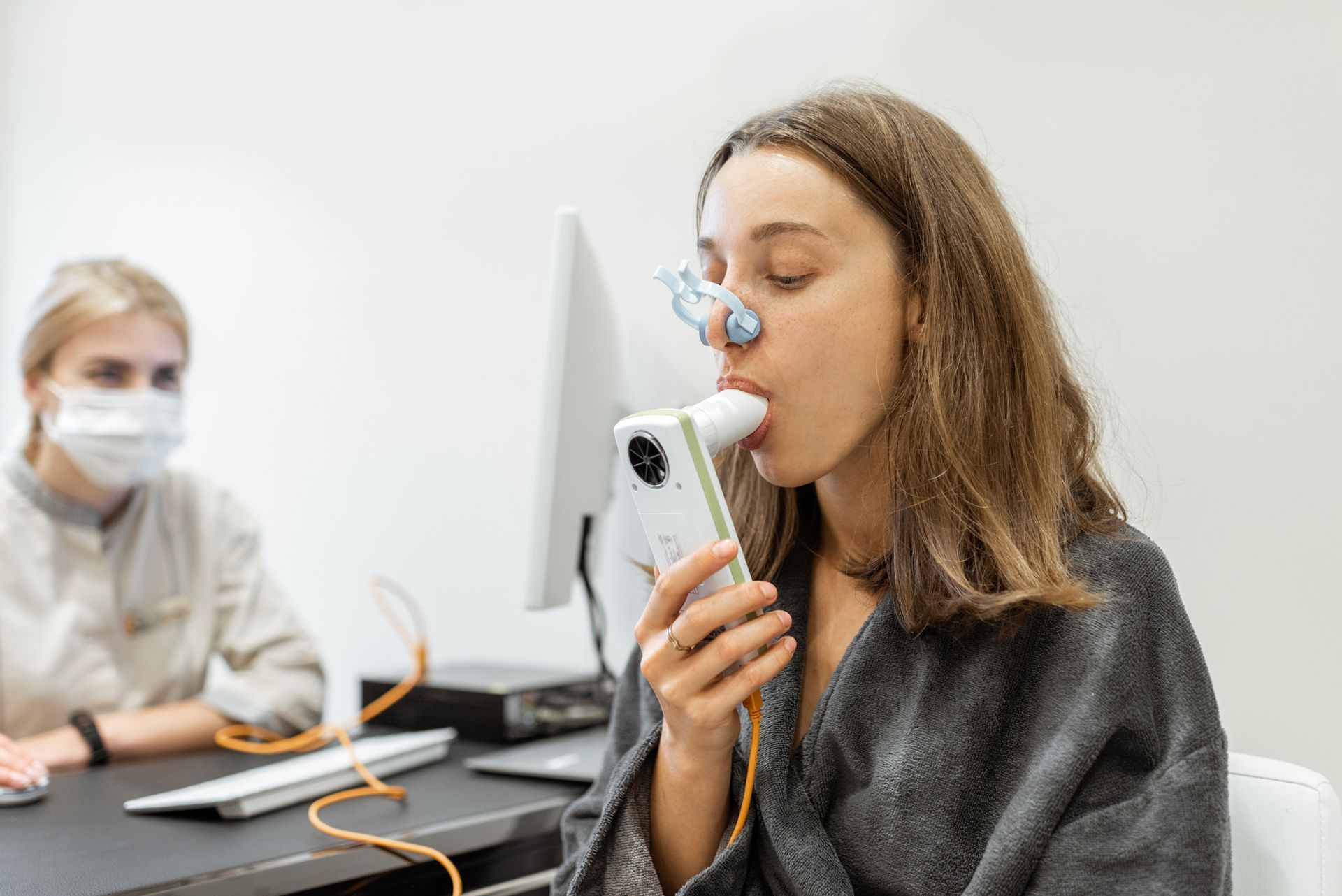
This method uses specialized equipment to measure the concentration of airborne particles inside and outside the respirator. The most widely used quantitative respirator fit testing method is the Ambient Aerosol Condensation Nuclei Counter (CNC) Quantitative Fit Test Method.
The choice between qualitative and quantitative fit testing depends on various factors, including the type of respirator used, the specific workplace hazards, and regulatory requirements.
The Fit Testing Process
Fit testing is not a one-time event; it should be conducted whenever an employee:
- Prior to initial use of any respirator
- Undergoes significant facial changes (e.g., weight loss/gain, dental work, facial scarring, etc.)
- Reports discomfort or difficulty breathing while using a respirator
- A fit test should also be conducted annually to ensure ongoing protection
Here's a Simplified Overview of The Fit Testing Process
1
2
3
4
5
Selection of Respirator
Ensure that the respirator selected is appropriate for the hazards present in the workplace.
Pre-Test Assessment
Employees are asked about their medical history, about any respiratory issues, and previous experiences with respirator use.
Introduction and Training
Employees receive instruction on how to properly don and doff the respirator and perform daily user seal checks. Perform comfort and fit assessment during the respirator selection process.
Fit Test
The chosen fit testing method (qualitative or quantitative) is administered to determine if the respirator fits properly.
Post-Test Assessment
After the fit test, employees are evaluated for comfort and respirator fit. Any issues are addressed, and adjustments are made as necessary.
Titan Medical Center follows fit testing guidelines established by the Occupational Safety and Health Administration (OSHA) Respiratory Protection Standard 1910.134.
Titan Medical Center recommends that employers follow the Small Entity Compliance Guide for the Respiratory Protection Standard to maintain OSHA compliance.
Conclusion
Respirator fit testing is an indispensable part of ensuring workplace safety. It goes beyond regulatory compliance; it directly impacts the health and well-being of employees who are exposed to respiratory hazards. Employers must prioritize fit testing as part of their comprehensive written respiratory protection program to provide effective and personalized protection for their workers. By doing so, they contribute to a safer and healthier work environment, reducing the risk of respiratory illnesses and injuries.
Get in Touch
By integrating these therapies into your treatment plan, we aim to provide comprehensive care supporting your health and wellness journey.